

CBD: The Architecture of Homeostasis

The Definitive Deep Dive into the Science, History, and Botanical Synergy of Cannabidiol
I. The Botanical Foundation: A Return to Balance
In the landscape of modern wellness, few compounds have been as misunderstood, as celebrated, or as scrutinized as Cannabidiol (CBD). As we move through 2026, the conversation has shifted away from the "Wild West" era of CBD marketing and toward a sophisticated, evidence-based understanding of how this molecule interacts with the human bio-field.
At SC Botanicals, we view CBD not as a "magic bullet," but as a master architect. It is the foundation of our "Garden" because of its unique ability to modulate the body's internal state without the cognitive interference of intoxication. It is the bridge between the high-performance demands of modern life and the physiological need for stillness.

II. The Deep History: 10,000 Years of Synergy
To understand the potency of CBD in 2026, we must look at the genetic lineage of Cannabis sativa L. The relationship between humans and this plant is one of the oldest co-evolutionary partnerships in history.
The Neolithic Origins
Hemp was among the first plants to be domesticated by humans, with evidence of its use dating back to 8,000 BCE in East Asia. Ancient civilizations didn't distinguish between "hemp" and "marijuana"; they recognized a single, versatile plant that provided fiber for textiles, seeds for nutrition, and resin for ritual and medicine.
The Pharmacopoeia of the Ancients
Ancient China: The Shennong Ben Cao Jing (the world's oldest pharmacopoeia) listed cannabis as a primary medicine for "absentmindedness" and "rheumatic pain"—the earliest descriptions of what we now identify as neurological and inflammatory support.
Ancient Egypt: The Ebers Papyrus (c. 1550 BCE) mentions the use of hemp to treat inflammation, often applied topically or ingested in oils.
The Victorian Era: By the mid-19th century, cannabis extracts were a staple in European pharmacies. Sir Robert Russell, physician to Queen Victoria, famously lauded the plant's ability to manage chronic discomfort and "the nerves."
The Prohibition Shadow and the 20th Century Pivot
The mid-20th century saw the rise of global prohibition, which effectively halted botanical research for decades. However, the 1940s marked a turning point when Dr. Roger Adams first isolated CBD. It wasn't until the 1960s, through the work of Dr. Raphael Mechoulam, that the structure of CBD was fully mapped, paving the way for the discovery of the system that makes it all work: The Endocannabinoid System.
III. The Master Regulator: The Endocannabinoid System (ECS)
The most profound discovery in modern biology is arguably the Endocannabinoid System (ECS). Discovered in the early 1990s, the ECS is a sprawling signaling network found in every vertebrate on Earth. Its sole purpose? Homeostasis.

The Three Pillars of the ECS
Endocannabinoids: These are "internal" cannabinoids like Anandamide (The Bliss Molecule) and 2-AG, which your body produces on demand.
Receptors (CB1 & CB2): These are the "locks" sitting on the surface of your cells.
CB1 Receptors are primarily in the brain and central nervous system (THC binds directly here).
CB2 Receptors are found mostly in the immune system and peripheral organs.
Enzymes: These are the "clean-up crew" (like FAAH) that break down cannabinoids once they’ve done their job.
How CBD Hacks the System
Unlike THC, which kicks the door down by binding directly to CB1 receptors, CBD is a "negative allosteric modulator." It doesn't bind directly; it changes the shape of the receptor or prevents your natural endocannabinoids from being broken down.
When you ingest an SC Botanicals CBD product, you aren't just "adding" a chemical—you are slowing down the breakdown of your body's own natural "bliss molecules." By inhibiting the FAAH enzyme, CBD allows your natural Anandamide to stay in your system longer, prolonging that sense of calm and centeredness.
IV. 2026 Clinical Landscapes: The New Frontiers of Research
As of May 2026, the scientific community has moved past "preliminary" data. We are now seeing the results of high-resolution, double-blind, longitudinal studies that confirm what many have known intuitively.

1. Neuroprotection & The Microglia PET Studies
One of the most exciting breakthroughs of 2025-2026 involves Microglia—the "immune cells" of the brain. Chronic stress and aging cause these cells to become overactive, leading to neuro-inflammation.
The Findings: New PET scan studies show that CBD significantly reduces microglial activation. By calming the brain's internal immune response, CBD may serve as a critical tool in slowing age-related cognitive decline and protecting against the "brain fog" associated with chronic stress.

2. The Cortisol Connection
Cortisol is the body's primary stress hormone. In a "modern industrial" life, our cortisol levels are often chronically elevated, leading to weight gain, sleep disruption, and anxiety.
The 300mg Threshold: Clinical research published in early 2026 suggests that while low doses (10-25mg) provide subtle relief, a 300mg dose serves as a powerful "reset" for salivary cortisol levels during acute stress events. This research validates the move toward higher-potency offerings (like your 1,000mg Desiree’s Bar) for those needing a significant physiological shift.
3. Sleep Architecture and Anxiety (The SAD Trials)
The 2026 Social Anxiety Disorder (SAD) Trials followed adolescents and adults over 12 weeks of consistent CBD use.
The Result: Participants reported a 60-70% reduction in anxiety symptoms. Crucially, the studies showed that CBD improved "sleep latency"—the time it takes to fall asleep—without the "hangover" effect or REM-sleep suppression associated with traditional sedatives.
V. The Artisan Standard: Glass, Steel, and Sourcing
At SC Botanicals, the how is just as important as the what. If you are putting a botanical into your body to achieve "clean" wellness, the processing environment must reflect that.
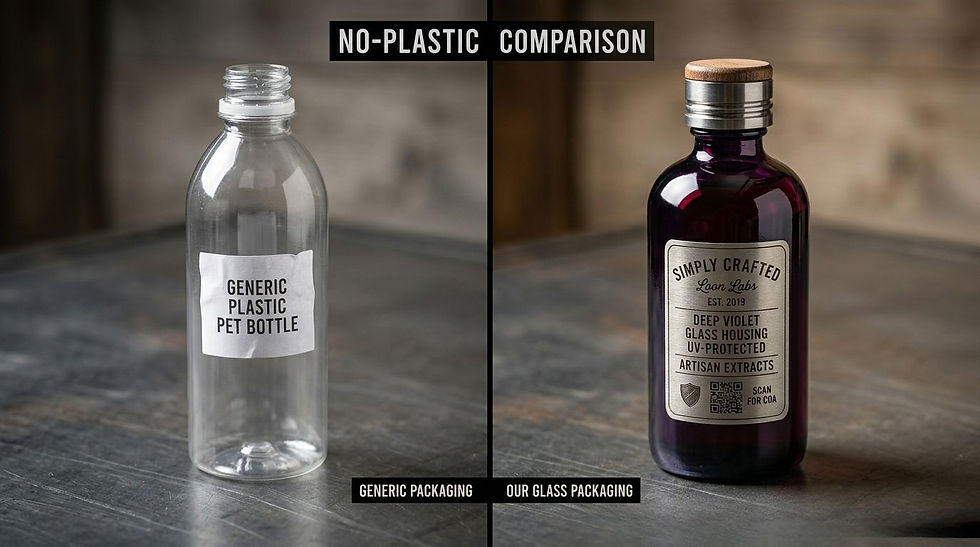
The "No-Plastic" Mandate
Most industrial CBD is processed in plastic vats and stored in PET containers. Over time, micro-plastics and phthalates can leach into the oil, compromising the "clean" promise.
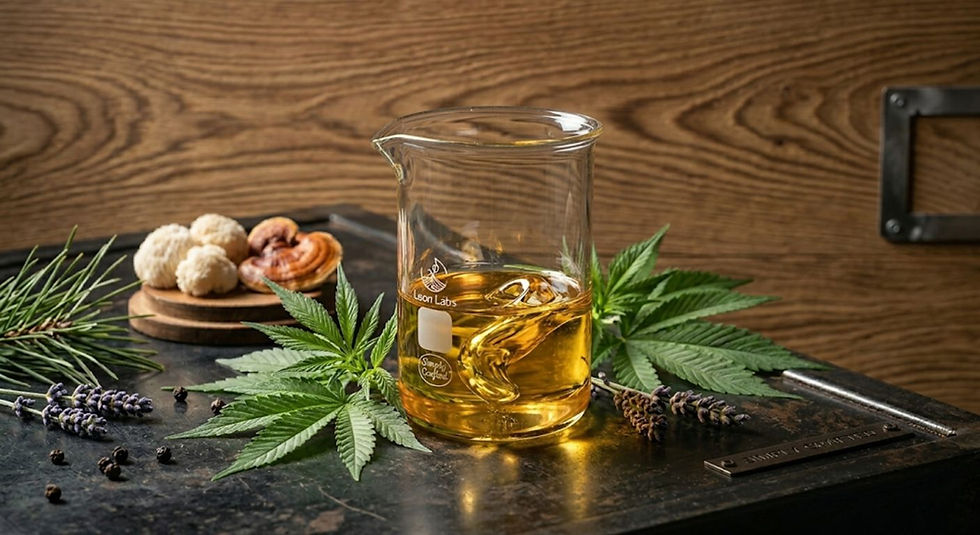
The SC Standard: We prioritize Stainless Steel and Medical-Grade Glass for every stage of extraction and infusion. Our extracts are housed in ultraviolet-protected glass to prevent light degradation, ensuring the cannabinoid profile remains as potent as the day it was harvested.

Hydrocarbon vs. CO2 Extraction
While CO2 is common, SC Botanicals utilizes high-end Hydrocarbon Extraction (refined through Loon Labs) to preserve the full spectrum of the plant. CO2 is a "dry" process that can strip away delicate terpenes. Hydrocarbon, when done correctly in a laboratory setting, captures the "soul" of the plant—the heavy terpenes and minor cannabinoids—resulting in a product that tastes and feels like a living botanical, not a sterile isolate.
VI. The Entourage Effect 2.0: The Terpene "Directors"
While Part 1 established CBD as the foundation, we must now look at the "Directors" of the high: Terpenes. In 2026, we’ve moved past the simplistic "Sativa vs. Indica" binary. We now understand that the therapeutic direction of a cannabinoid is dictated entirely by its terpene profile.
The Dose-Sparing Phenomenon
Groundbreaking research published in The Lancet (2025) confirmed a theory that many boutique extractors have held for years: the "Dose-Sparing Effect." The study found that users of full-spectrum extracts—which retain the original plant's terpene profile—required 40% lower doses to achieve the same level of pain and anxiety relief compared to those using pure CBD isolate.
This is why SC Botanicals and Loon Labs prioritize hydrocarbon extraction. By keeping the "entourage" intact, we create a more efficient product. You don't need more mg; you need more synergy.
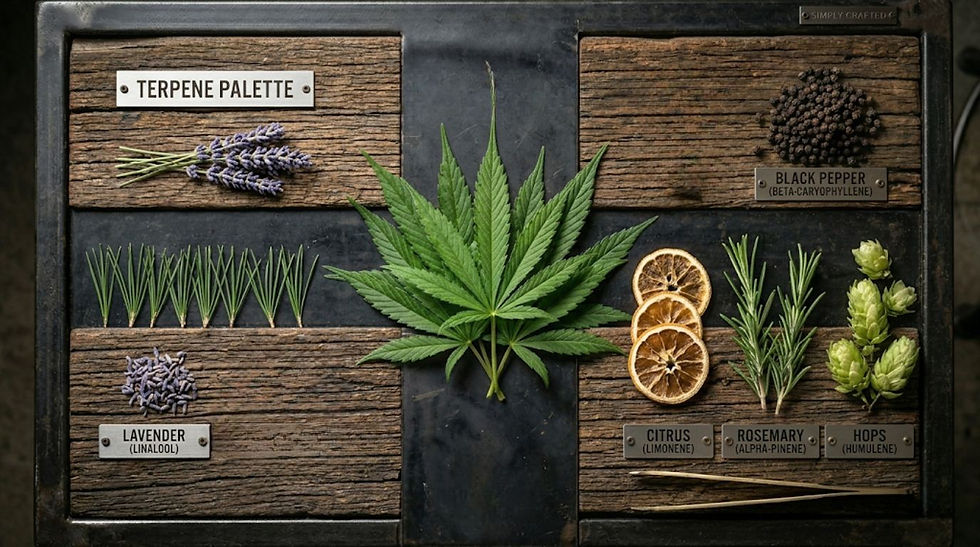
The Key Directors in the SC Library
Beta-Caryophyllene (The Bridge): This is the only terpene that also acts as a cannabinoid, binding directly to your CB2 receptors. It acts as a powerful anti-inflammatory "anchor" for CBD, making it essential for physical recovery.
Linalool (The Calmer): Also found in lavender, Linalool modulates glutamate and GABA neurotransmitters. In our CBD formulations, it shifts the experience from "alert balance" to "deep relaxation."
Myrcene (The Driver): Known for increasing blood-brain barrier permeability, Myrcene helps CBD reach its target receptors faster, providing a quicker "onset" for acute stress events.
VII. The "Mother" Cannabinoid: CBG and the Pursuit of Focus
For the SC Botanicals line—and specifically the Desiree’s 1,000mg Bar—CBD does not work alone. We have integrated Cannabigerol (CBG), often called "The Mother Cannabinoid" because it is the chemical precursor to all other cannabinoids.
Why CBG for the Modern Entrepreneur?
If CBD is the "stillness," CBG is the "clarity." Unlike CBD, which primarily interacts with the ECS to manage stress, CBG has a high affinity for alpha-2 adrenergic receptors and 5-HT1A serotonin receptors.
Mental Clarity: CBG is non-sedative. When paired with CBD at a 1:1 ratio (as in our 50mg-per-square chocolate bar), it prevents the "heaviness" that some feel with high-dose CBD, providing a focused, alert sense of calm.
Gut-Brain Axis: 2026 research has highlighted CBG’s role in managing digestive inflammation—a critical benefit for those whose stress manifests as "stomach knots" or gut discomfort.
VIII. Botanical Synergy: Pairing with the Fungi Kingdom
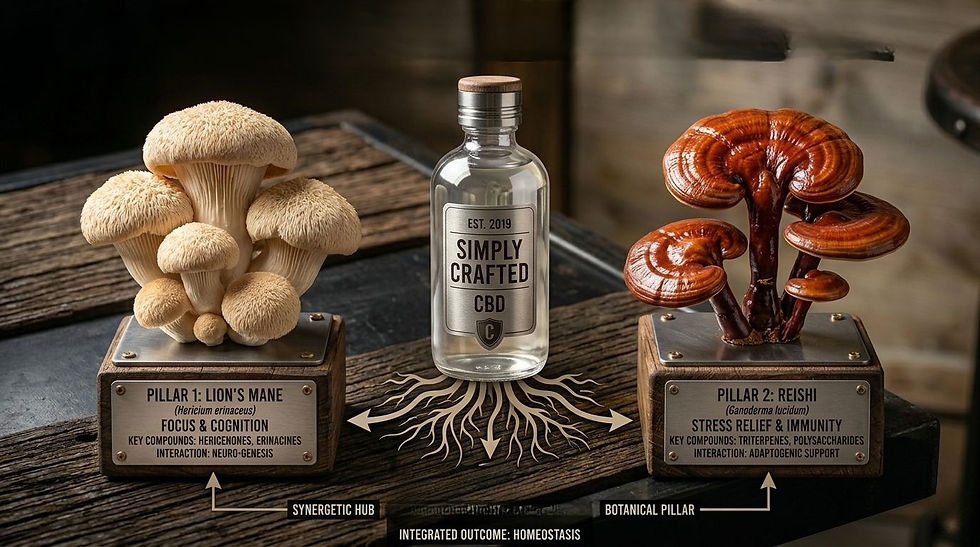
The "Hub & Pillar" model of The Garden isn't just an aesthetic choice; it’s a biological one. By pairing CBD/CBG with functional mushrooms like Lion’s Mane and Reishi, we create a multi-layered wellness response.
1. CBD + Lion’s Mane (The Cognitive Shield)
In our library, Lion’s Mane is the "Neuro-Protector." It contains hericenones and erinacines that stimulate Nerve Growth Factor (NGF).
The Synergy: CBD handles the "static" of daily anxiety that can distract the mind, while Lion’s Mane builds the "infrastructure" for focus. This pairing is designed for deep-work sessions or high-stakes business management. It is the "Modern Industrial" approach to cognitive endurance.
2. CBD + Reishi (The Grounding Force)
Reishi is an adaptogen that has been used for millennia to support the adrenal glands.
The Synergy: While CBD works on the neurological receptors, Reishi works on the endocrine system to lower cortisol levels. This "top-down, bottom-up" approach to stress ensures that both your mind and your body receive the signal to downshift.

IX. Dosing in 2026: The Shift toward High Potency
A major shift in the 2026 botanical market is the move away from "micro-dosing" (1-5mg) toward High-Potency Functional Servings.
The 300mg Reset
Clinical trials in late 2025 indicated that for significant "stress-resets," a threshold of 300mg to 400mg is often the point where CBD effectively interrupts acute anxiety loops. This is why our artisan chocolate bars are formulated at 1,000mg per bar.
The Standard Serving: One 50mg square (25mg CBD / 25mg CBG) provides a baseline of support for a typical day.
The Intensive Serving: Two to three squares (100mg-150mg) move into the "Therapeutic Zone," suitable for significant recovery or high-stress transitions.
The "Step-Up" Method
For new visitors to The Garden, we recommend the Step-Up method: Start with one square, wait 45 minutes, and observe the "drop" in shoulder tension. Because our products are processed in Glass and Stainless Steel, the purity ensures a clean "on-ramp" without the digestive upset common in lower-tier, plastic-processed oils.
X. The Regulatory Guardrails: 2026 MN OCM Compliance
As we prepare for the transition to Marvin’s Garden in June/July, compliance is our primary "Security Pillar."
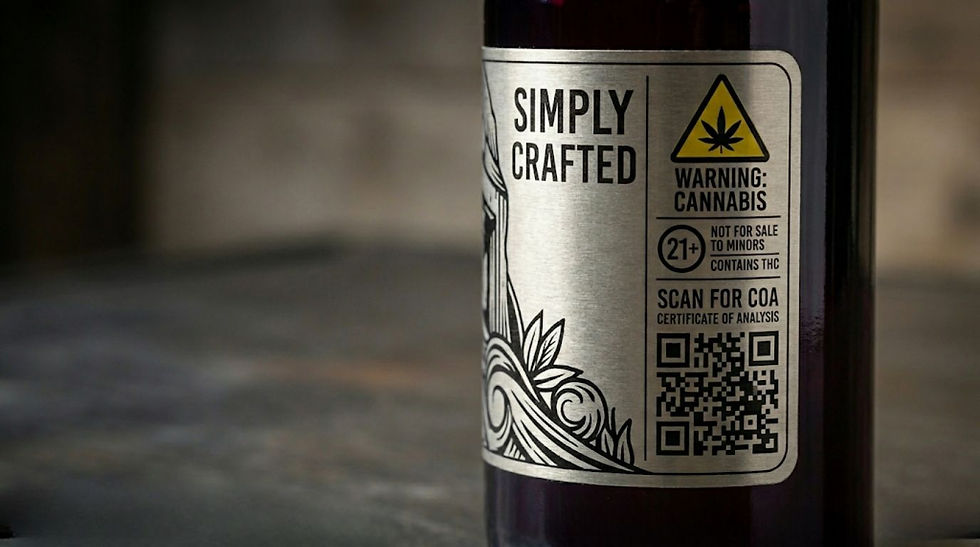
The Mandatory Symbols
Every SC Botanicals product strictly adheres to the Office of Cannabis Management (OCM) guidelines. Look for these on every package:
The Yellow Triangle (THC!): The official Minnesota International Intoxicating Cannabinoid Product Symbol (IICPS).
The Red Stop Sign (21+): Mandatory age verification symbol.
The Poison Control Hotline: 1-800-222-1222.
The Paper Trail: COAs and Metrc
Every batch of our Terp Gummies and Chocolate Bars undergoes third-party ISO-certified lab testing. You can find the QR code on the back of every label, which links directly to the Certificate of Analysis (COA). In 2026, "clean" isn't just a marketing term—it’s a verified laboratory standard.
XI. The Botanical Library FAQ
Q: Will CBD make me feel "high" or "heavy"? A: No. CBD is non-intoxicating. When paired with CBG and Lion's Mane (as in our library stacks), the goal is "alert calmness"—the ability to stay productive while remaining unbothered by stress.
Q: Can I use CBD while managing my other wellness subscriptions? A: Generally, yes. CBD is an adaptogen that complements high-end supplements like those from Designs for Health or Onnit. However, because CBD can inhibit the cytochrome P450 enzyme (which helps your liver process medications), we always recommend consulting a professional if you are on specific pharmaceutical prescriptions.
Q: Why do you prioritize Glass and Stainless Steel? A: In the "Modern Industrial" philosophy, the medium is the message. Plastic can leach chemicals like BPA and phthalates, especially when in contact with concentrated oils. By using glass and steel, we ensure the botanical profile remains "pharmaceutical grade" and untainted.
Q: How do the Terp Gummies differ from the Botanical Chocolate? A: The Terp Gummies focus on a quick-hit "Cannabis-Specific" terpene profile for immediate mood shifts. The Chocolate Bars are a "Slow-Release" functional food, combining cannabinoids with the fats of the cacao and the long-term support of medicinal mushrooms.
[Return to THE GARDEN]

Comments